Transform Your Home With Professional Architecture Support
Transforming a home through qualified architectural expertise involves more than just aesthetics. It requires a deep knowledge of functional design and municipal construction codes. Engaging with an seasoned design expert can handle common challenges while increasing property appreciation. The process is structured and detailed, guaranteeing that every detail conforms with the homeowner's vision. Yet, many homeowners experience difficulty to navigate this process efficiently. What steps can they take to guarantee a successful alliance?
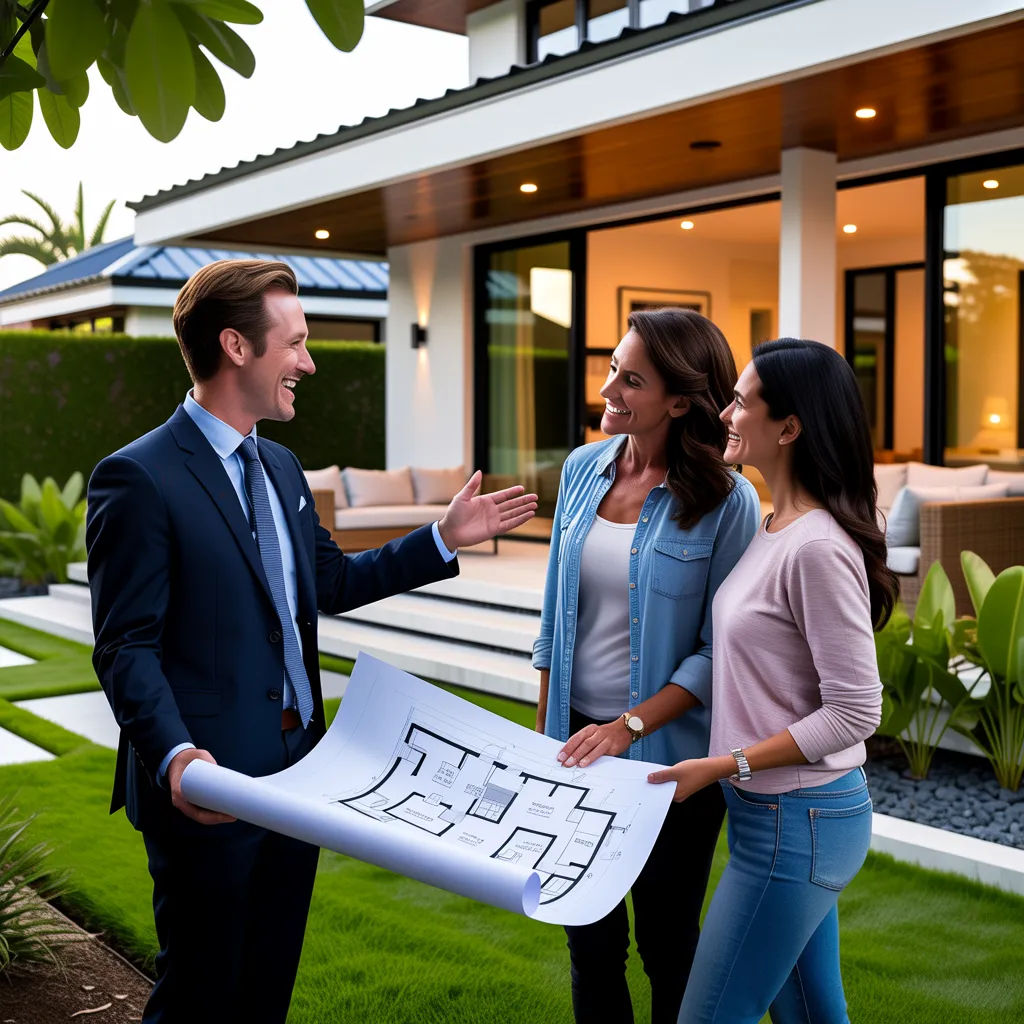
Standard Home Design Snags and Techniques Architects Handle Them
What makes home design so challenging for countless homeowners? The difficulty of combining aesthetic tastes with everyday needs often exhausts them. Homeowners commonly face challenges with room constraints, budget challenges, and regulatory standards, complicating harder. Additionally, many do not have the required expertise needed to address building considerations and building codes.
Architects represent an important role in easing these issues. Their expertise allows them to handle the nuances of architecture, confirming that a homeowner's goal agrees with actual circumstances. Architects can present novel strategies to enhance space while following safety regulations. They also contribute in forming integrated designs that express the resident's preferences. By sharing knowledge into materials and building techniques, architects assist expedite the decision phase. In the end, their competence converts a seemingly challenging task into a partnered process, nurturing a equilibrated balance between ingenuity and applicability in residential design.
Advantages of Collaborating With a Professional Architect
Collaborating with a skilled designer elevates the home design experience by combining professional expertise with the owner's goals. Architects offer a broad range of expertise in design standards, construction regulations, and sustainability practices, ensuring that the development not only meets design aspirations but also follows requirements. Their capacity to imagine and articulate complex ideas helps in translating conceptual notions into tangible designs.
Moreover, architects can deliver innovative approaches to spatial challenges, optimizing functionality and layout. They also direct the complications of the building process, collaborating with contractors jump in and suppliers to ensure budgets and timelines are followed. This skilled oversight decreases errors and reduces the anxiety tied to home remodeling or construction. Ultimately, engaging with an architect delivers a unified, thoughtfully designed space that reflects the homeowner's personality while enhancing overall property value.
What Are the Critical Steps in the Design Process?
In what way does the design process progress from concept to conclusion? The path commences with an initial consultation, where the designer and client explore objectives, needs, and budget. This stage is critical for establishing a shared understanding. Following this, the architect undertakes location assessment, reviewing considerations like terrain, environmental conditions, and zoning regulations.
After this, the design stage gets underway. In this phase, drawings and 3D models are produced, allowing the client to envision the project. When the design is finalized, the architect develops thorough construction blueprints, featuring specifications and drawings.
After securing required permits, the project enters the construction phase. The architect frequently collaborates with contractors to ensure that the plan is executed correctly. Frequent on-site inspections and evaluations help preserve standards and adherence to the original vision. Finally, the project culminates in a walkthrough, verifying that the finished structure satisfies the client's requirements before the official handover.
What's the Best Way to Choose the Ideal Architect for Your Home?
Locating the perfect architect for a residence involves thorough consideration and research. Prospective property buyers should start by establishing their particular requirements and budget, which will direct their search. Suggestions from friends, family, or property professionals can offer useful connections. Internet collections of work and reviews help in assessing an designer's previous projects and client satisfaction.
Next, potential clients should engage multiple candidates to determine their communication style, expertise, and strategy for design. It's critical to explore timelines and project expectations to establish mutual understanding. Additionally, checking credentials and verifying relevant licenses and certifications can prevent subsequent difficulties.
Ultimately, property owners should listen to their intuition. The best architect should not only demonstrate the essential skills but also complement the homeowner's aspirations and beliefs. This partnership creates a productive atmosphere, ultimately producing a successful partnership in constructing a perfect residence.
Tips for Sharing Your Objectives Clearly
Communicating a vision for home design proficiently is essential for a successful partnership between property owners and design consultants. To realize this, property owners should start by explicitly specifying their requirements and selections. Producing a mood board with images, colors, and textures can help transmitting visual goals. Additionally, specifying functional criteria, such as room size and layout, ensures that the architect appreciates practical components.
Property owners should also participate in open dialogue, promoting questions and feedback to refine their concept. Frequent meetings throughout the design process foster teamwork and openness. Employing straightforward language to convey thoughts and worries can avoid misunderstandings and help align goals.
Ultimately, remaining attentive to the architect's knowledge enables a more stimulating exchange. By blending personal vision with professional insight, homeowners can strengthen a constructive relationship that accomplishes a beautifully designed space mirroring their aspirations.
Strategies for Financial planning Architecture Services
As you start a home design project, establishing a budget for architecture services is critical to prevent economic hardship later. Homeowners should begin by exploring typical fees in their area, which can vary based on the project's complexity and the architect's experience. It is advisable to allocate a percentage of the overall project cost specifically for architectural services, typically ranging from 5% to 15%.
Next, potential clients should review the breadth of services needed—whether they require full design and project oversight or only initial consultations. Participating in open dialogue with potential design professionals regarding their cost arrangements can shed light on pricing.
Additionally, property owners should account for unexpected expenses and potential revisions, creating a buffer in the budget. By explicitly outlining their financial parameters in advance, clients can ensure they choose an design expert who aligns with their vision while remaining within their financial limits.
Frequently Requested Questions
What Selection of Architecture Could I Pick for My Home?
Homeowners are able to opt for from numerous design options, featuring modern, traditional, colonial, Mediterranean, and contemporary. Each style offers distinctive aesthetic qualities and functional aspects, allowing individuals to convey personal taste while considering regional influences and environmental factors.
How Much Time Does the Architectural Process Generally Need?
The architectural procedure typically takes several months, depending on project complexity, approval requirements, and local regulations. Components such as stakeholder input and construction schedules can also influence the timeline substantially throughout the process.
Can Design professionals Assist With Eco-friendly Design Options?
Architects can certainly help with eco-friendly design choices. They incorporate eco-friendly materials, energy-efficient systems, and innovative layouts, guaranteeing projects reduce environmental impact while maximizing functionality and aesthetic appeal, matching with clients' sustainability goals successfully.
What Requirements Should I Seek in an Architectural Expert?
When bringing on an architectural professional, one should take into account their formal training, licensure, track record with pertinent projects, compilation of work displaying their design approach, and comprehension of local architectural guidelines. Capacity for clear communication and endorsements from satisfied clients also play key roles in the selection decision.
What Method Do Building Designers Take to Address Zoning and Permit Concerns?
Architects resolve zoning and permit issues by conducting thorough research on local regulations, preparing necessary documentation, and communicating to municipal authorities. Their expertise guarantees compliance, expediting the approval process for customer developments efficiently.